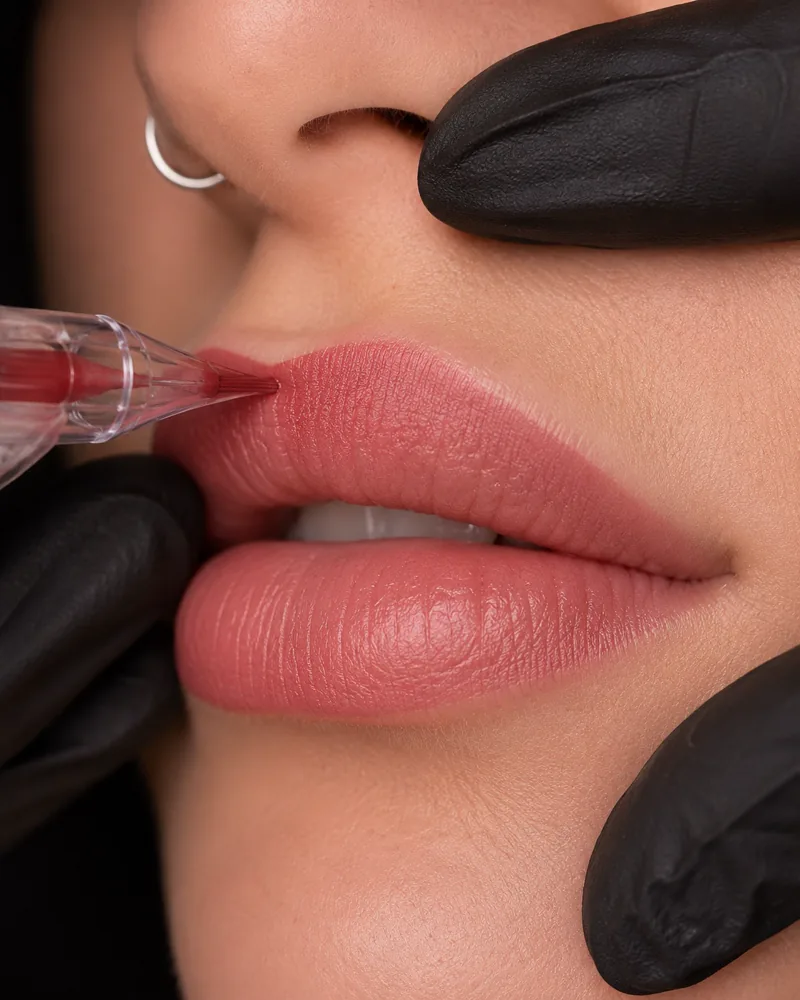
Lip blush does not heal in a straight line. The color is usually boldest immediately after the appointment, then the lips flake and may look much lighter before the tone gradually settles. That temporary light stage can worry clients who do not know it is part of the process.
This timeline describes common patterns, not a promise that every person will heal on the same day. Follow the instructions provided by your artist and contact the studio if anything feels outside the expected course.
Day 1: Bright color and possible swelling
Fresh lip blush often looks brighter, darker or warmer than the color you discussed. The lips may feel tender, tight or swollen. Fresh pigment and the body’s normal response make the first-day result look more intense than the healed result.
Keep the area clean and use only the aftercare product and method provided by your artist. Avoid testing new lip products while the skin is open.
Days 2–3: Color remains strong
The lips may still look saturated, and dryness or tightness can become more noticeable. Swelling usually begins to settle. Some clients start to see small areas of surface flaking.
Do not scrub, bite or pull at dry skin. Removing flakes early can disturb pigment and increase the chance of uneven healing.
Days 3–7: Flaking and uneven-looking color
Flaking becomes more visible for many clients. As pieces release at different times, the lips can look patchy. This is not the stage for evaluating symmetry, retention or final color.
Avoid lipstick, gloss and makeup on the healing area unless your artist has specifically cleared a product. Keep following the provided cleaning and ointment instructions.
Days 7–14: The color may look too light
Once surface flaking finishes, the color can appear pale, muted or as if it has disappeared. The new surface skin can temporarily veil the pigment below it.
Continue protecting the lips from direct sun and avoid aggressive exfoliation or active skincare around the area. Do not schedule an early correction because the color looks light this week.
Weeks 2–4: Color begins to settle
The tone may gradually become easier to see as the lips continue healing. The final appearance is typically softer than the first-day result. Natural lip tone, pigment choice and individual retention all affect the outcome.
Use photos in the same neutral lighting if you want to track the change. Different cameras, lipstick, window light and indoor light can make the same lip color look dramatically different.
Weeks 4–12: Evaluate the healed result
The perfecting appointment is scheduled 4–12 weeks after the initial session. It is the appropriate time to review healed color, border definition and areas that may need refinement.
Lip blush is $340 for the initial session. The touch-up is booked and paid for separately at $190. A refresh is commonly considered around 12–18 months, depending on retention and preference.
Important lip-blush aftercare reminders
Avoid picking, soaking, swimming, pools, saunas, steam, excessive sweating and direct sun during the protected healing period. Follow your artist’s instructions for cleaning, ointment and product use.
If you have a history of cold sores, disclose it before booking and contact your physician or medical provider for appropriate preventive guidance. Lip procedures may trigger an outbreak in someone with that history.
Frequently asked questions
Why did my lip blush color disappear?
A temporarily pale stage is common after flaking. New surface skin can veil the pigment while the lips continue healing. Wait for the full healing window before judging retention.
Can I pull off loose flakes?
No. Let flakes release naturally. Picking can disturb the healing skin and contribute to uneven color.
When can I wear lipstick again?
Wait until the surface is healed and follow the specific instructions from your artist. Introducing products too early can irritate the area.
When is the lip blush touch-up?
The separate $190 perfecting touch-up is scheduled 4–12 weeks after the initial $340 appointment.
What if I have a cold-sore history?
Tell the studio before booking and speak with your physician or medical provider about preventive advice. Website content cannot replace individualized medical guidance.
Is swelling normal?
Some temporary swelling and tenderness can occur after lip blush. Contact the studio promptly if you have severe, worsening or otherwise concerning symptoms.
Thinking about lip blush but nervous about healing? View verified healed results and request a complimentary consultation. Frenkel PMU House will explain the process, pricing and aftercare before you decide.
Explore Lip Blush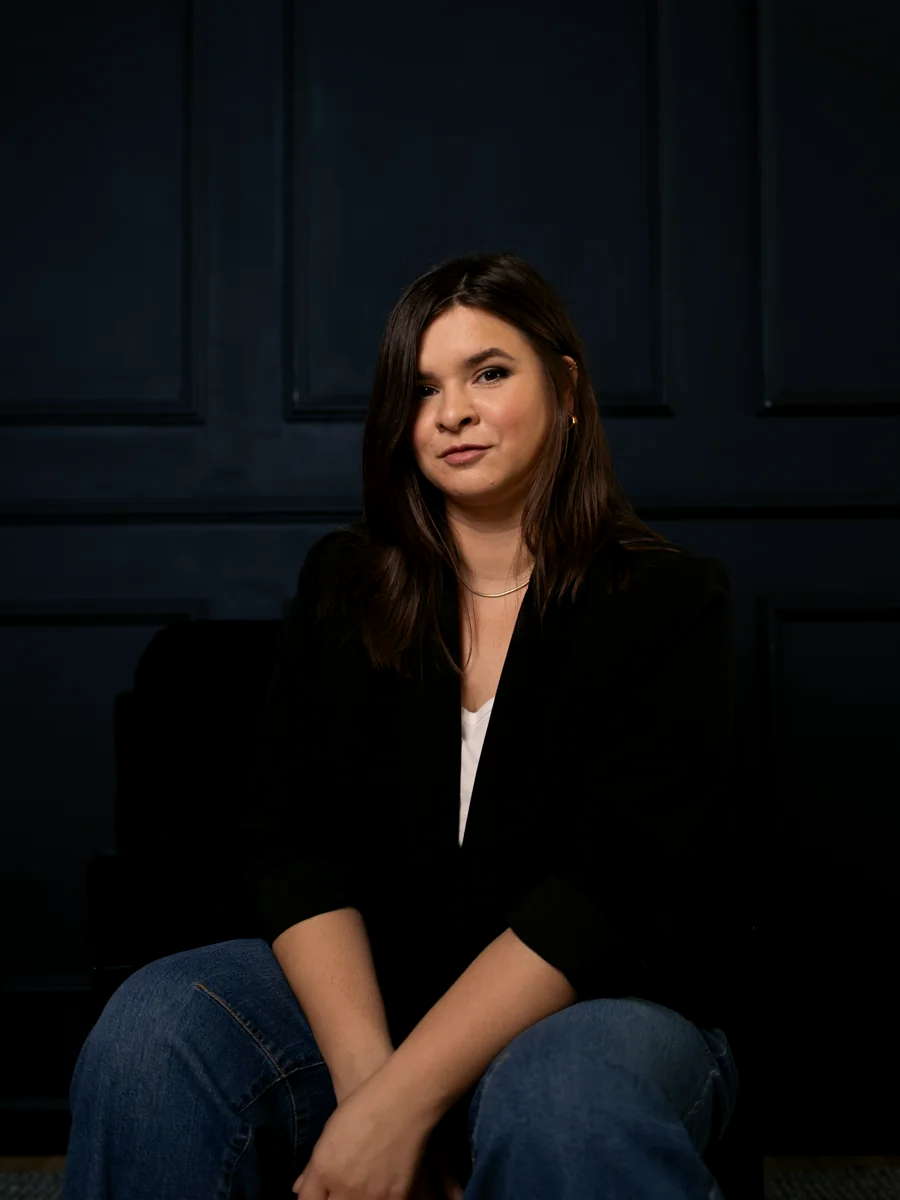
Nadya Frenkel
Permanent makeup artist at Frenkel PMU House in Leander, Texas. Nadya specializes in customized machine brows, lip services and permanent eyeliner, with a focus on natural results, honest expectations and client education.